
Living with missing teeth can significantly impact daily life. Meals may take longer, certain foods might feel off-limits, and you may find yourself hiding your smile in photos or conversations. March is a great time to explore tooth replacement options, especially if you want to feel confident heading into summer gatherings.
When comparing dental implants and dentures, there’s no universal “best” option. The right choice depends on your goals, comfort preferences, oral health, and long-term maintenance expectations. At Smiles on the Boulevard in Belpre, Ohio, we focus on clear explanations and supportive care to help you make the decision that feels right for you.
Why Replacing Missing Teeth Matters
Missing teeth can affect how you bite, chew, and speak, while also placing extra stress on nearby healthy teeth. Over time, gaps may lead to bone loss in the jaw since the tooth root is no longer stimulating bone cells. Changes in gum tissue or facial support can also occur, especially when multiple teeth are missing.
Replacing missing teeth can improve your quality of life in practical ways. It can make meals more enjoyable, boost your confidence in conversations, and help you feel secure when smiling or laughing. Most importantly, it supports long-term oral health by keeping your bite stable and easier to maintain with good hygiene and regular dental visits.
Dental Implants and Dentures: How They Feel Day to Day
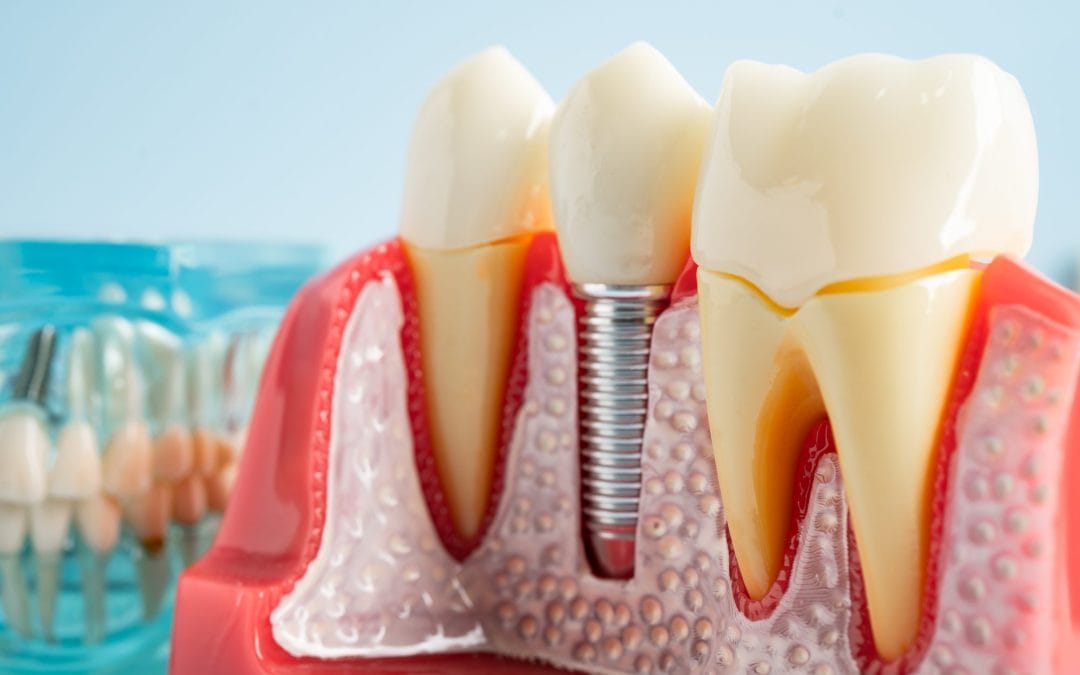
Dental implants act as replacement tooth roots, with an implant post placed in the jaw and restored with replacement teeth. Dentures, on the other hand, are removable appliances that replace multiple teeth. They can be made as partial or full dentures, depending on how many natural teeth remain. Many patients choose based on how they want their new teeth to feel during daily activities like eating and speaking.
Implants often feel closer to natural teeth because they are anchored in the jawbone. Dentures can also feel comfortable and natural-looking, but they may require an adjustment period as your mouth adapts to their fit. During your visit, we’ll discuss what to expect before, during, and after care, so you feel informed and confident.
The Dental Implant Process
Dental implant placement is a surgical procedure, and it’s normal to have questions about comfort and healing. The process begins with a thorough evaluation of your oral structure, gum tissue, jawbone, and overall health. Your dentist will create a personalized treatment plan, including the number of implants needed and whether additional procedures like bone grafting are necessary for stable placement.
Implant surgery typically involves local anesthesia for comfort. The procedure includes a small incision, careful implant placement, and a healing period that allows bone to grow around the implant. This healing process can take several months, and we’ll guide you through proper care and follow-up to ensure a smooth recovery.
Once healed, the implant is restored with a dental crown or custom replacement tooth for a natural look. Implants work best with good oral hygiene and regular dental care. They are versatile, suitable for replacing a single tooth, multiple teeth, or providing full-mouth support. At Smiles on the Boulevard, we offer TeethXpress Implants, and we’ll explain how this approach can impact your timeline, comfort, and final results.
Modern Dentures: Flexible Options for Restoring Your Smile
Today’s dentures are far more advanced than those of the past. They are designed to look natural and feel secure, allowing you to focus on your day without worrying about shifting. Dentures are an excellent option if you prefer a non-surgical solution, need a replacement after extractions, or want something adjustable over time.
There are several types of dentures to consider:
- Partial Dentures: These replace several teeth in a row and are ideal if you still have natural teeth. They stay in place using a thin framework of wires and clasps that attach to surrounding teeth, and they are removable for easy cleaning.
- Full Dentures: These replace all teeth in a dental arch. Modern full dentures are comfortable and natural-looking, staying in place with a suction effect or optional dental adhesives. During your fitting, we’ll explain how to adjust to them and keep your gums comfortable.
Implant-Supported Dentures: A Secure Middle Ground
Implant-supported dentures combine the benefits of implants and traditional dentures. They are held in place by dental implants, offering more stability for chewing and speaking compared to removable dentures. This option is ideal for patients who have struggled with loose dentures in the past.
However, not everyone is a candidate for implant-supported dentures. Good gum health, sufficient jawbone density, and overall health are essential. During your consultation, Dr. Hawkins will evaluate your mouth and discuss whether implants are the right fit for you. If needed, bone grafting may be recommended to support implant placement.
Choosing Between Implants and Dentures
The decision between implants and dentures often depends on your priorities and how you want your tooth replacement to function over time. Implants provide a stable, natural feel and help support the jawbone, reducing future bone loss. Dentures, on the other hand, are adaptable, cost-conscious, and easier to adjust if your mouth changes.
Maintenance is another factor to consider. Implants require regular dental visits and good oral hygiene to maintain gum health and surrounding teeth. Dentures involve daily cleaning, and we’ll show you techniques to protect your gums and keep your appliance fresh. By the end of your appointment, you’ll know what at-home care looks like and feel confident reaching out if something feels off.
A Simple Comparison
To help you picture the differences, here are some key points:
- Stability: Implants and implant-supported dentures feel more anchored, while traditional dentures rely on suction, fit, and sometimes adhesive.
- Timeline: Implants involve surgery and a healing process, while dentures may be ready more quickly.
- Bone Support: Implants help support the jawbone, while dentures do not replace the tooth root.
- Flexibility: Dentures are removable and adjustable, while implants are fixed once healed.
- Budget Planning: Costs vary, and we’ll help you understand insurance coverage and out-of-pocket expenses for both options.
What to Expect at Your Consultation
Your first step should feel calm and informative. We’ll start by listening to your concerns, whether it’s a missing tooth, several missing teeth, or challenges with an existing appliance. Then, we’ll evaluate your oral health, check your gums, and review imaging to discuss realistic options, including fixed bridges, dentures, or implants.
If implants are an option, we’ll explain the treatment process, including any additional steps like bone grafting. In some cases, an oral surgeon or specialist may assist with the surgical portion, and we’ll ensure you understand the full plan. You’ll also have time to discuss your medical history, healing concerns, and available comfort measures.
A Supportive Next Step
Whether you choose dentures, implant-supported dentures, or dental implants, you deserve to feel confident in your decision. Our goal is to provide clear explanations and supportive care at every step, so you feel informed and comfortable.
If you’re ready to explore your tooth replacement options, schedule an appointment with Smiles on the Boulevard. We’re here to answer your questions, review your goals, and help you find a plan that supports your comfort, health, and lifestyle.
Recent Comments